The CHC81315 Graduate Certificate in Career Development Practice is an AQF Level 8 qualification designed for experienced professionals looking to lead the career development sector. While the Certificate IV (CHC41215) focuses on foundational guidance, the Graduate Certificate prepares you for high-level, independent clinical judgment and strategic service management.
In 2026, this qualification is the “gold standard” for practitioners seeking Professional Member status with member associations of the Career Industry Council of Australia (CICA), such as the CDAA or ACCE.

Advanced Clinical and Strategic Mastery
This qualification validates your ability to manage complex career transitions, conduct high-level career counselling, and establish entire career service departments. You move from delivering sessions to designing the systems and mentoring the practitioners who deliver them.
Core Competencies & Units
To achieve the CHC81315, you must complete 7 units (5 core and 2 electives):
- Advanced Career Theory: Applying complex psychological and sociological theories to contemporary career development.
- Specialist Interviewing: Using advanced micro-counselling and interpersonal skills for deep-dive career interventions.
- Service Establishment: Designing and establishing career development services within corporate, educational, or government sectors.
- Quality Management: Developing and monitoring quality systems and ethical practice frameworks within a career service.
- Legal and Ethical Compliance: Managing high-level legal responsibilities and complex ethical dilemmas in practice.
- Professional Leadership: Leading your own professional development and mentoring others in the field.
Mandatory Entry Requirements
Because this is a Graduate-level qualification (equivalent to the first half of a Graduate Diploma), entry is restricted to those with a significant professional background:
- Academic Pathway: A Diploma or higher in a related discipline (e.g., Counselling, HR, Psychology, or Education).
- Experience Pathway: Significant documented experience in a role involving self-directed application of knowledge and independent judgment (e.g., Senior Recruiter, HR Manager, or Guidance Officer).
- Digital Literacy: High-level digital research and reporting skills are essential for the AQF Level 8 academic requirements.
Average Salary Expectations (2026)
The Graduate Certificate moves you into the “Professional” and “Executive” pay brackets of the career and human resources sectors.
| Role | Average Annual Salary (AUD) | Average Hourly Rate |
| Senior Career Practitioner | $120,000 – $135,000 | $61 – $69 |
| Head of Careers (University/School) | $115,000 – $140,000 | $59 – $72 |
| Workforce Planning Manager | $130,000 – $155,000 | $66 – $79 |
| Independent Career Consultant | $140,000 – $180,000+ | $70 – $90+ |
Note: Professional practitioners in private practice often charge between $180 and $350 per hour for executive coaching and transition services.
Why Choose the RPL Pathway for the Graduate Certificate?
- CICA Professional Status: This is the most direct route to being recognized as a “Professional” (rather than Associate) member, which is often a requirement for high-level government and university contracts.
- Executive Credit: If you have been managing a large recruitment firm or leading a school’s transition team for years, RPL allows you to secure an AQF Level 8 credential without taking a sabbatical.
- Master’s Pathway: This qualification typically provides 50% credit toward a Graduate Diploma of Career Development or a Master of Education (Guidance and Counselling).
- Industry Leadership: Gain the formal tools to supervise other practitioners, perform peer reviews, and influence national career development policy.
Set the standard for the industry. The CHC81315 is for those who aren’t just looking for a job, but are looking to define how career services are delivered across Australia. Let us help you turn your executive experience into the highest level of vocational recognition.
Are you currently leading a team or running your own practice and looking to formalize your clinical seniority?
HLT35021 Certificate III in Dental Assisting
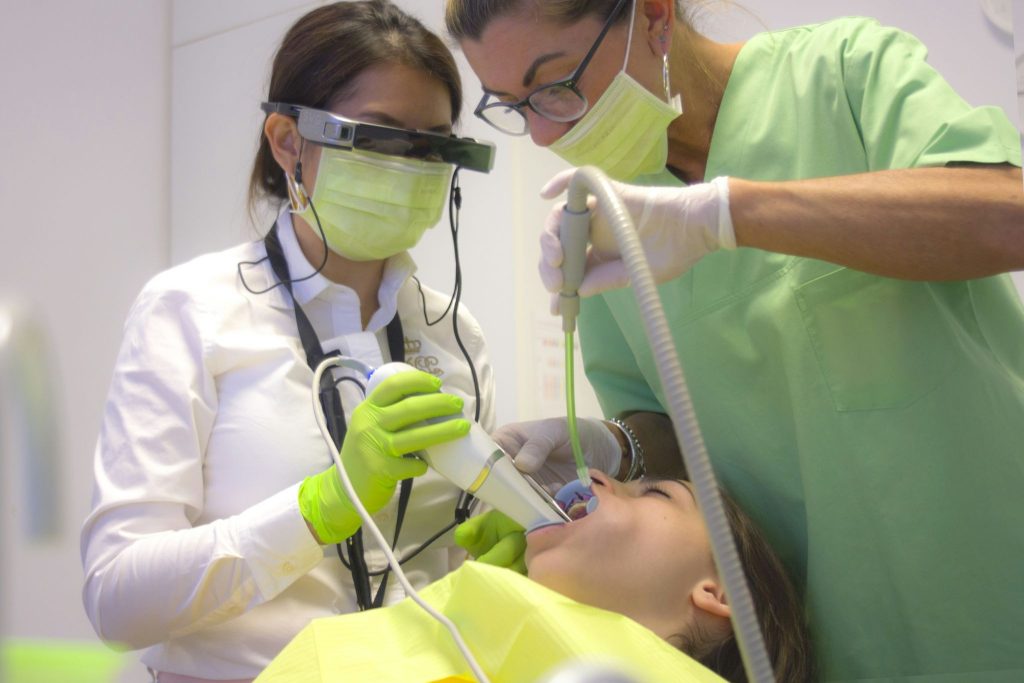
The HLT35021 Certificate III in Dental Assisting is the primary qualification for entering the dental industry in Australia. This course prepares you to work alongside dental practitioners (dentists, hygienists, and therapists) to provide quality oral healthcare. It covers everything from high-level clinical chairside assistance to the essential back-of-house sterilization and administration tasks that keep a clinic running safely.
In 2026, dental assistants are in high demand across both private clinics and government health services, offering a stable career path with clear opportunities for specialization.
The Chairside Specialist’s Skillset
Dental assisting is a fast-paced role requiring a blend of technical precision and patient empathy. This qualification validates your ability to anticipate a dentist’s needs during complex procedures while ensuring the patient feels comfortable and safe.
Core Competencies & Units
To achieve the HLT35021, you must complete 10 units (8 core and 2 electives):
- Chairside Assisting: Preparing for and assisting with a wide range of dental procedures, from basic fillings to extractions.
- Infection Control Mastery: Applying basic principles of infection prevention and processing reusable medical devices (sterilization).
- Dental Radiography: Assisting with the taking of dental X-rays and managing radiographic images.
- Practice Administration: Managing dental appointments, patient records, and front-desk duties.
- Medical Emergencies: Assisting the dental practitioner during medical emergencies in a dental setting.
- Workplace Safety: Participating in workplace health and safety and working effectively with diverse patients.
Mandatory Requirements
- Work Placement (350 Hours): This is a non-negotiable requirement. You must complete at least 350 hours of practical work in a real dental clinic. Most RTOs allow for 50 of these hours to be completed in a simulated lab environment.
- Existing Worker/Volunteer Status: Many providers require you to be already working or volunteering in a dental clinic for at least 12 hours per week to satisfy the ongoing assessment requirements.
- Clearances: A current National Police Check and Working with Children Check (WWCC) are mandatory.
- Immunization: Due to the high-exposure nature of the work, you must have surface immunity to Hepatitis B and be up-to-date with standard healthcare vaccinations.
Average Salary Expectations (2026)
The dental sector offers consistent wages with strong growth potential for those who move into specialized areas like orthodontics or practice management.
| Role | Average Annual Salary (AUD) | Average Hourly Rate |
| Entry-Level Dental Assistant | $52,000 – $60,000 | $26 – $30 |
| Experienced Dental Assistant | $65,000 – $75,000 | $33 – $38 |
| Specialist Dental Assistant | $78,000 – $88,000 | $39 – $45 |
| Dental Receptionist | $65,000 – $72,000 | $33 – $36 |
Note: Salaries are often higher in regional areas and specialized clinics (e.g., Oral Surgery or Periodontics). Penalty rates apply if you work late nights or Saturday mornings.
Why Choose the RPL Pathway for HLT35021?
- Formalize Your Experience: If you have been working “unqualified” in a dental clinic for years, RPL is the fastest way to gain the nationally recognized credential required for higher pay grades.
- Pathway to Specialization: This certificate is the mandatory prerequisite for the HLT45021 Certificate IV in Dental Assisting, which allows you to specialize in Radiography, Oral Health Promotion, or General Anaesthesia.
- Industry Compliance: As regulations tighten, many clinics now require all staff to hold a minimum of a Certificate III to meet accreditation standards.
- High Job Security: Dental assistants are currently listed on several state-based priority skills lists, ensuring you have your pick of clinics across Australia.
Make a difference, one smile at a time. If you have the hand-eye coordination to assist in procedures and the social skills to calm a nervous patient, the HLT35021 is your professional hallmark. Let us help you bridge the gap between your manual skills and a nationally recognized healthcare career.
Are you currently working in a clinic and looking to get your hours signed off for a formal qualification?